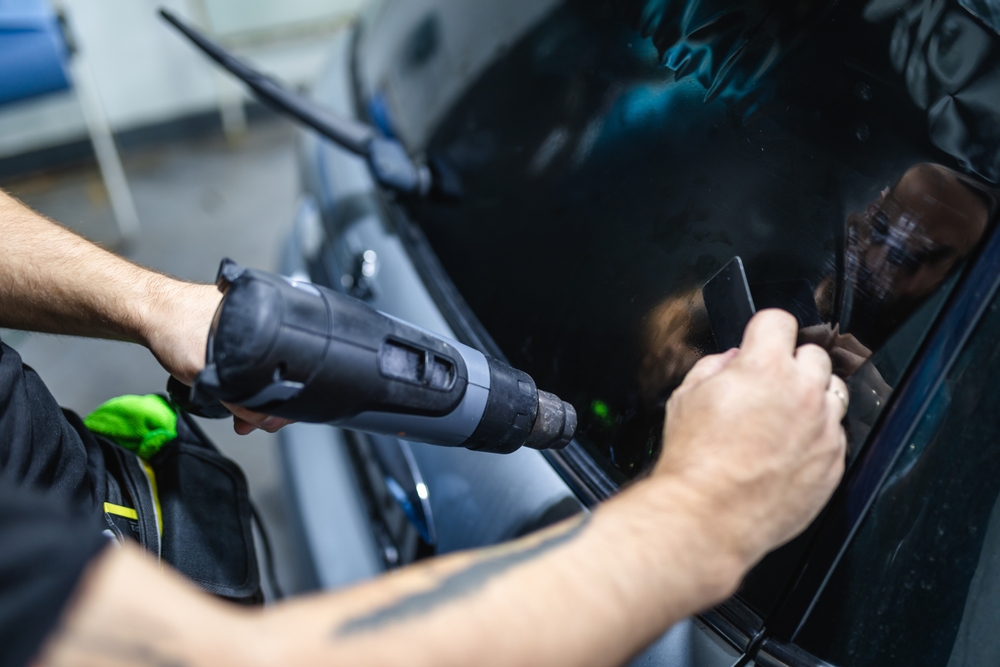
Driving during sunny midwestern afternoons can quickly turn your cabin into a greenhouse. Beyond the heat, sun glare and ultraviolet exposure can make your daily commute tiring. Choosing to tint your vehicle's windows is one of the best ways to keep your car comfortable and protect your interior, but stepping into the world of window film options can feel overwhelming. With dyed, carbon, and ceramic films available, understanding how they differ helps ensure you pick the right match for your driving habits.
Dyed Window Tint: Simple Styling and Privacy
Dyed film is the most traditional option available. It is created by layering dye between an adhesive layer and a protective top coat. This type of tint excels at absorbing solar heat and reducing glare while providing a sleek, dark appearance for added privacy. It is an economical option if you want to enhance your vehicle's look on a budget. However, dyed film relies primarily on color density to block light, meaning it offers lower heat rejection compared to advanced alternatives. Over time, prolonged sun exposure can cause dyed films to fade or turn slightly purple.
Carbon Window Tint: Balanced Performance and Matte Aesthetics
If you are looking for stronger durability without moving to top-tier pricing, carbon tint is a solid step up. Instead of dye, this film contains carbon particles embedded within the material. Carbon tint delivers a distinct, attractive matte finish that never fades. It blocks a higher percentage of infrared heat than dyed film, keeping your seats and dashboard cooler. Because carbon film contains no metal layers, it will not interfere with modern vehicle technology, like cell phone signals or GPS navigation.
Ceramic Window Tint: Premium Comfort and Heat Protection
For drivers seeking the highest level of performance, ceramic tint stands out as the premium choice. Made using non-conductive ceramic micro-particles, this film blocks the vast majority of infrared light and UV rays while allowing high optical clarity. You can enjoy impressive solar heat rejection even with lighter, legal shade levels. Ceramic film keeps your vehicle interior noticeably cooler during peak summer heat, protects upholstery from cracking, and maintains crystal-clear visibility during night driving.
Choosing the Right Tint for Your Drive
When selecting your film, consider your daily routine, budget, and comfort priorities. It is also essential to ensure your chosen shade complies with state safety guidelines; you can review official vehicle equipment and tint limit standards on the NHTSA website. Ready to get started? Contact us today to schedule your appointment. If you are exploring professional window tinting near Fulton, MO, our team at Machens Mobile Glass is always here to help you evaluate shade options and answer your questions.